MULTILATERAL SOURCE UN News

The race to build a pandemic-proof world

What happened
Based on UN News · Sep 19, 2026

The UN warns that global pandemic preparedness remains inadequate six years after COVID-19, despite progress on a new international treaty to coordinate prevention, equitable access, and rapid response.
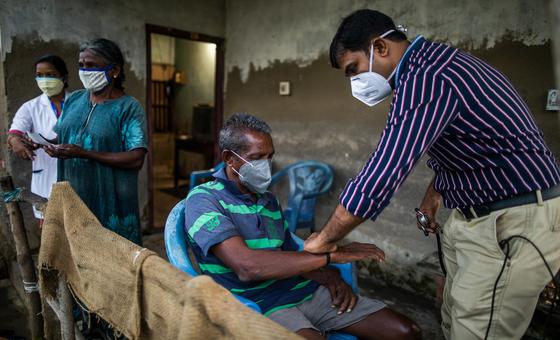
The race to build a pandemic-proof world
UN News — United Nations
Key points
·
The WHO Pandemic Agreement, adopted in May 2025, is the first binding global treaty on pandemic prevention and response.
·
The agreement includes a Pathogen Access and Benefit-Sharing mechanism to ensure equitable access to vaccines and treatments for countries in need.
·
A high-level UN meeting on 25 September 2026 will focus on coordinating global action, financing, and equitable access to medical supplies.
Key numbers
·
Six years after COVID-19 caused over seven million deaths and exposed deep inequities in health care access, the world continues to seek stronger pandemic defenses amid rising threats from infectious diseases, climate crises, and conflicts.
·
The UN warns that global pandemic preparedness remains inadequate six years after COVID-19, despite progress on a new international treaty to coordinate prevention, equitable access, and rapid response.
·
Six years after COVID-19 killed millions, battered health systems, disrupted lives and brought the global economy to a virtual standstill, the world is still grappling with how we can prepare better for the next...

Six years after COVID-19 caused over seven million deaths and exposed deep inequities in health care access, the world continues to seek stronger pandemic defenses amid rising threats from infectious diseases, climate crises, and conflicts.

The pandemic strained economies, overwhelmed health systems, and highlighted disparities in vaccine distribution, with richer nations far better positioned than poorer ones.

The UN Secretary-General described the response as a mix of human ingenuity and failure, emphasizing that viruses transcend borders and require international collaboration in surveillance, research, and equitable access to medical tools.

The crisis revealed that prevention and preparedness must be treated as global priorities, not national ones, to ensure no country is left vulnerable when the next outbreak strikes.

Original source → Deals on Clipraptor.com →