World News in Brief: Refugee funding, US migration policy triggers ‘cascade’ of rights violations, world forests report, restorative justice in Colombia
UNICEF warns Zaatari refugee camp risks losing water services due to underfunding and climate pressures, while UN experts condemn US migrant transfers for violating rights.
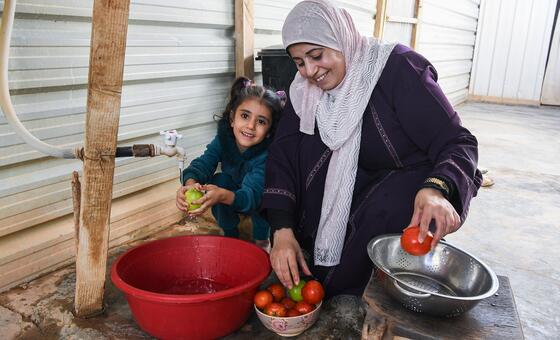
The UN Children’s Fund, UNICEF, reported that water and sanitation services at Zaatari refugee camp in Jordan, home to over 80,000 Syrians including more than 40,000 children, face imminent collapse unless funding is secured. The agency highlighted that many children were born in the camp and already face instability, with access to safe water and sanitation essential for their survival. Declining rainfall, depleted groundwater, and rising demand are straining the camp’s water system, forcing annual deepening of wells by seven to ten metres. UNICEF noted its programme is 90 per cent underfunded, risking disruption within months.
Independent UN human rights experts condemned the United States’ policy of transferring migrants and asylum seekers to third countries, citing widespread violations including torture, persecution, and enforced disappearance. At least 23,000 people have been sent to 29 countries under such agreements, with 35 countries now covered and more being added daily. The experts warned that transfers to conflict-affected or impoverished nations, where migrants lack ties or protection, exacerbate risks for vulnerable groups. They emphasized that coerced returns cannot be considered voluntary and called on all governments to halt these arrangements immediately.
The UN Food and Agriculture Organization (FAO) issued a global appeal to prioritize forest conservation and restoration as critical to addressing climate change and hunger. Between 1990 and 2025, an estimated 489 million hectares of forest were lost to deforestation, while over 460 million hectares are now degraded. FAO’s report highlights population growth, land-use changes, and resource demand as key drivers, stressing that restoring forests supports biodiversity, food security, and rural livelihoods. The agency warned that large-scale action requires substantial investment and political commitment to succeed.
UN human rights chief Volker Türk welcomed reparations measures in Colombia involving former FARC-EP leaders and army officers who admitted responsibility for grave abuses during the country’s armed conflict. The acknowledgment of responsibility by these parties is seen as a step toward justice for victims, though the scale and implementation of reparations remain under scrutiny. Türk’s statement underscored the importance of transitional justice in post-conflict societies, where accountability and victim support are critical to lasting peace.