BMW Group Plant Landshut develops software for humanoid robotics in component production.
BMW Group Plant Landshut is developing software for AI-supported humanoid robotics to enhance component production, focusing on flexibility and fine motor skills in real-world manufacturing conditions.
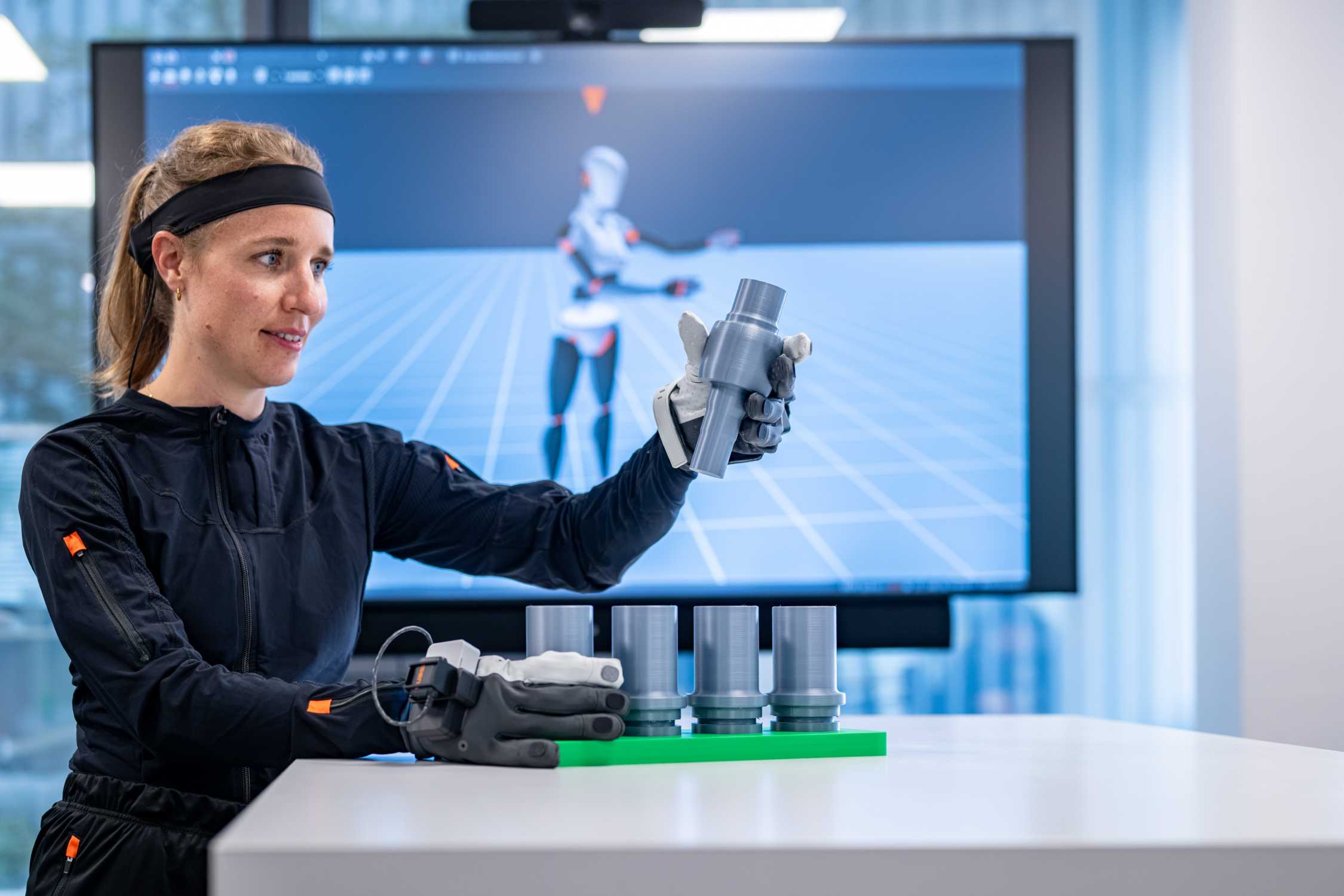
BMW Group Plant Landshut has taken on central software development for AI-supported robotics in component production, building on existing pilot projects at Plants Leipzig and Spartanburg. The initiative focuses on open software platforms, training data generation, simulation, and motion planning to enable robots to perceive environments, evaluate situations, and act independently. Dr Wolfgang Bluemlhuber, head of Driving Dynamics and In-house Component Manufacturing, emphasized the integration of software expertise with industrial practice to test new technologies early and assess their production benefits.
The project relies on open platforms combining traditional programming with AI models, such as Vision-Language-Action (VLA) models, to create a modular robotics ecosystem. Data from real production environments and test setups is captured and integrated into simulations to model movement patterns and motion planning virtually. Processes are tested in advance, and learning is accelerated through demonstration-based learning, where movement patterns and work sequences are first demonstrated by the project team and converted into generalisable behavioural models.
Potential applications in component production include tasks requiring flexibility, fine motor skills, and environmental understanding, such as recognising environments, determining positions, planning movements, and precisely handling components. Christoph Jagoda, Physical AI project manager at Plant Landshut, stated that the technology is developed in close alignment with real-world requirements to identify reliable industrial benefits.
BMW Group Plant Landshut is collaborating with industry and academic partners, including Athenyx Robotics and the University of Applied Sciences Landshut, to refine the technology. The focus is on creating an 'intelligence stack' integrating perception, learning, simulation, and decision-making, enabling humanoid robots to perform complex tasks independently. The platform-based approach aims to transfer acquired skills across different robotic systems and use cases.