A cleaner solution to America’s aluminum crunch is hiding in landfills
U.S. aluminum shortages and tariffs are driving demand for domestic supply, with recycling emerging as a low-energy solution to recover scrap from landfills using advanced sorting technology.
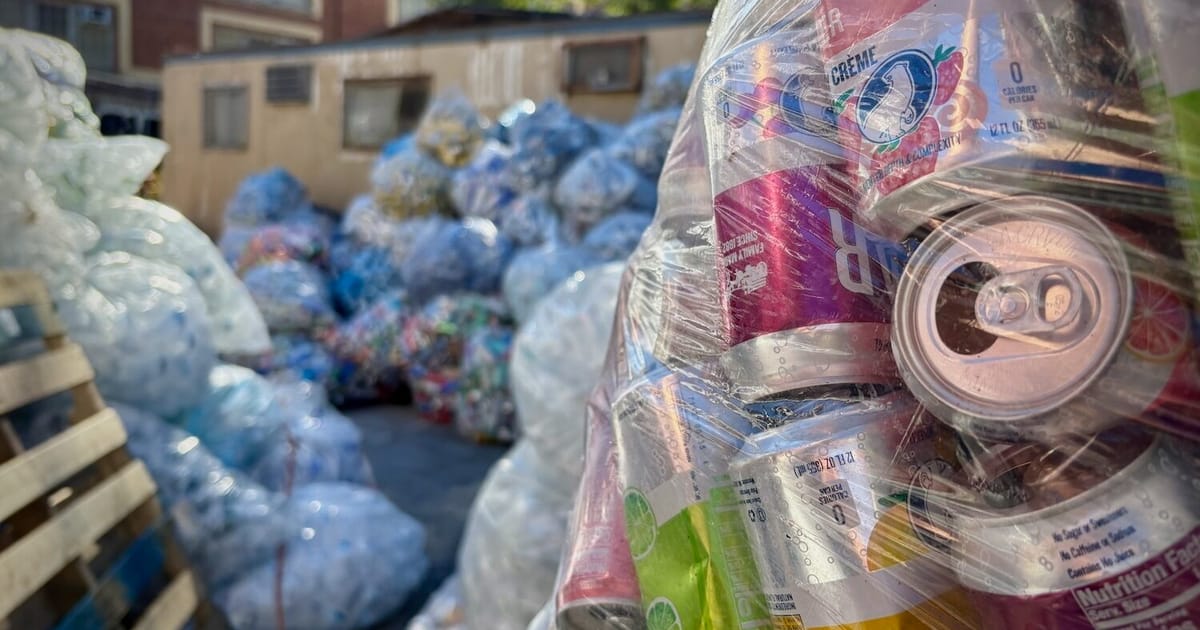
A global aluminum shortage and U.S. tariffs have disrupted the market, prompting calls for domestic production. While new smelters require cheap power, recycling aluminum uses just 5% of the energy needed for virgin metal and leverages the country’s abundant scrap supply. However, millions of tons of aluminum still end up in landfills due to inefficient recycling systems and inconsistent policies. Policy experts argue that boosting recycling rates could reduce dependence on imports and smelter-made metal.
Mechanical recycling systems often fail to separate high-quality aluminum from mixed scrap, leaving valuable alloys unclaimed. Companies like Sortera Technologies and Greyparrot are deploying AI, lasers, and sensors to improve sorting, with Greyparrot’s systems at a Brooklyn facility identifying 89% of aluminum as recyclable—nearly double the U.S. average. These technologies aim to recover more aluminum for secondary markets, reducing waste sent to landfills.
The Center for Strategic Industrial Materials urges federal incentives and research funding to scale advanced sorting, noting that recycled aluminum can free up virgin metal for critical sectors like defense and aerospace. However, the broader challenge lies in consumer participation, as recycling rates for beverage cans decline amid outdated state policies and low deposit returns.
States with bottle bill policies, such as Connecticut, have seen redemption rates rise after increasing deposit fees, but this has also led to out-of-state can influxes and financial strain on distributors. Meanwhile, centers like Sure We Can in Brooklyn report a 25% drop in volume as collectors shift to higher-paying states, highlighting the need for updated, coordinated recycling policies.