Intel Foundry Details Process Milestones and Future Innovation at VLSI Symposium
Intel Foundry reports progress on its Intel 18A-P process node at the 2026 VLSI Symposium, highlighting risk production milestones and long-term innovation commitments for AI computing advancements.
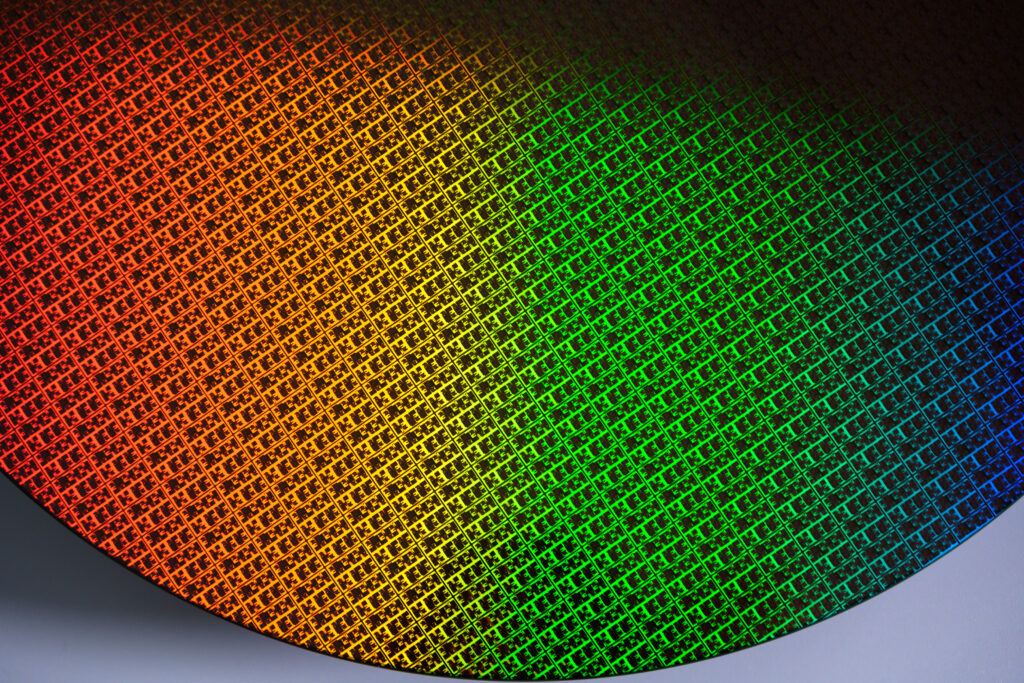
At the 2026 VLSI Symposium, Intel Foundry announced that Intel 18A-P, the first performance enhancement in the Intel 18A family, has entered risk production, aligning with previously shared timelines. The company emphasized its commitment to sustained leadership in process innovation through updates on Intel 18A-P and broader research efforts. Intel Foundry’s engineers detailed how gate-all-around transistors and backside power delivery, introduced with Intel 18A, improve performance and energy efficiency for future logic designs.
Intel Foundry also presented long-term research updates across multiple areas critical to future silicon scaling, including transistor architecture and power delivery innovations. These advancements aim to support the growing demands of AI computing by enabling more efficient and scalable processor designs. The company highlighted the foundational role of these technologies in driving next-generation performance improvements.
Naga Chandrasekaran, executive vice president and general manager of Intel Foundry, stated that the updates signal a long-term commitment to leading-edge process innovation. He acknowledged ongoing work while emphasizing the progress made with Intel 18A-P and broader research initiatives. The company’s roadmap reflects a strategic focus on delivering sustained advancements in semiconductor manufacturing.
Intel Foundry’s announcements at the symposium underscore its efforts to expand leading-edge manufacturing capacity and support high-tech job creation, including in Ireland. The company continues to invest in specialized trades and advanced semiconductor technologies to meet future computing demands.