MAIA Air Sensor at Work in Addis Ababa
NASA’s MAIA air sensors in Addis Ababa measure PM2.5 pollution, including black carbon from diesel vehicles and fires, to assess health impacts and seasonal variations in urban air quality.
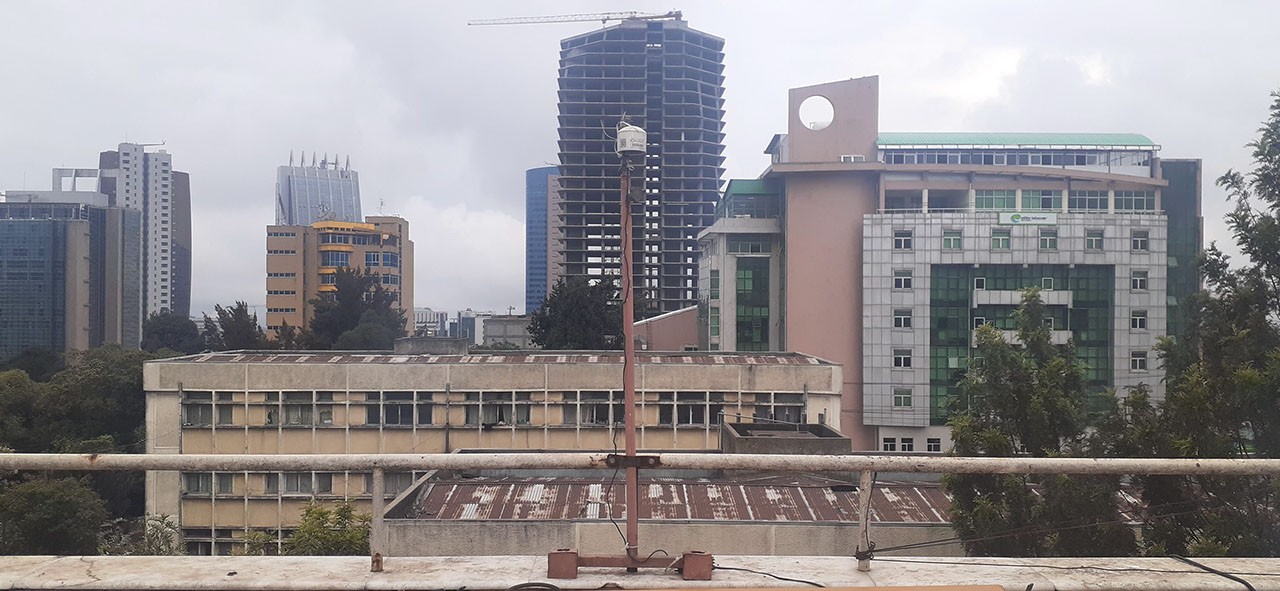
NASA’s Multi-Angle Imager for Aerosols (MAIA) has deployed 10 air sensors on rooftops in Addis Ababa to monitor particulate matter measuring 2.5 micrometers or less, known as PM2.5. These sensors provide granular data on pollution levels, tracking how concentrations fluctuate throughout the day and across seasons. The measurements reveal spikes during rush-hour traffic and holiday celebrations, highlighting sources such as diesel vehicles and fires. This dataset offers insights into urban air quality dynamics that may inform public health strategies in cities worldwide.
Black carbon, a component of PM2.5 produced by combustion sources, is a significant focus of MAIA’s observations in Addis Ababa. The sensor network captures its presence and distribution, which is critical for understanding its role in air pollution. Researchers note that black carbon contributes to respiratory conditions, low birth weight, and premature mortality, underscoring the need for targeted mitigation efforts. The findings align with global health assessments linking PM2.5 exposure to millions of excess deaths annually.
The 2025 State of Global Air Report, referenced in MAIA’s research, estimates that PM2.5 pollution is responsible for approximately 4.9 million excess deaths worldwide each year. The report emphasizes the severe health risks posed by fine particulate matter, which can penetrate deep into the lungs and enter the bloodstream. MAIA’s data from Addis Ababa contributes to this broader understanding by providing localized measurements that reflect regional pollution patterns. These insights are particularly valuable for policymakers designing air quality regulations.
MAIA’s air sensor network in Addis Ababa serves as a model for urban air quality monitoring, offering real-time data that can guide public health interventions. The project’s findings have implications beyond Ethiopia, as cities in the United States and other regions face similar pollution challenges. By identifying key sources of PM2.5 and black carbon, the research supports efforts to reduce emissions and improve respiratory health outcomes. The data collected will be used to refine air quality models and inform policy decisions in diverse urban environments.