NASA Mission Studies Air Pollution Over Ethiopia
NASA’s MAIA project has documented high black carbon and PM2.5 pollution levels in Addis Ababa, providing a baseline for Ethiopia’s air-quality policies and global urban health research.
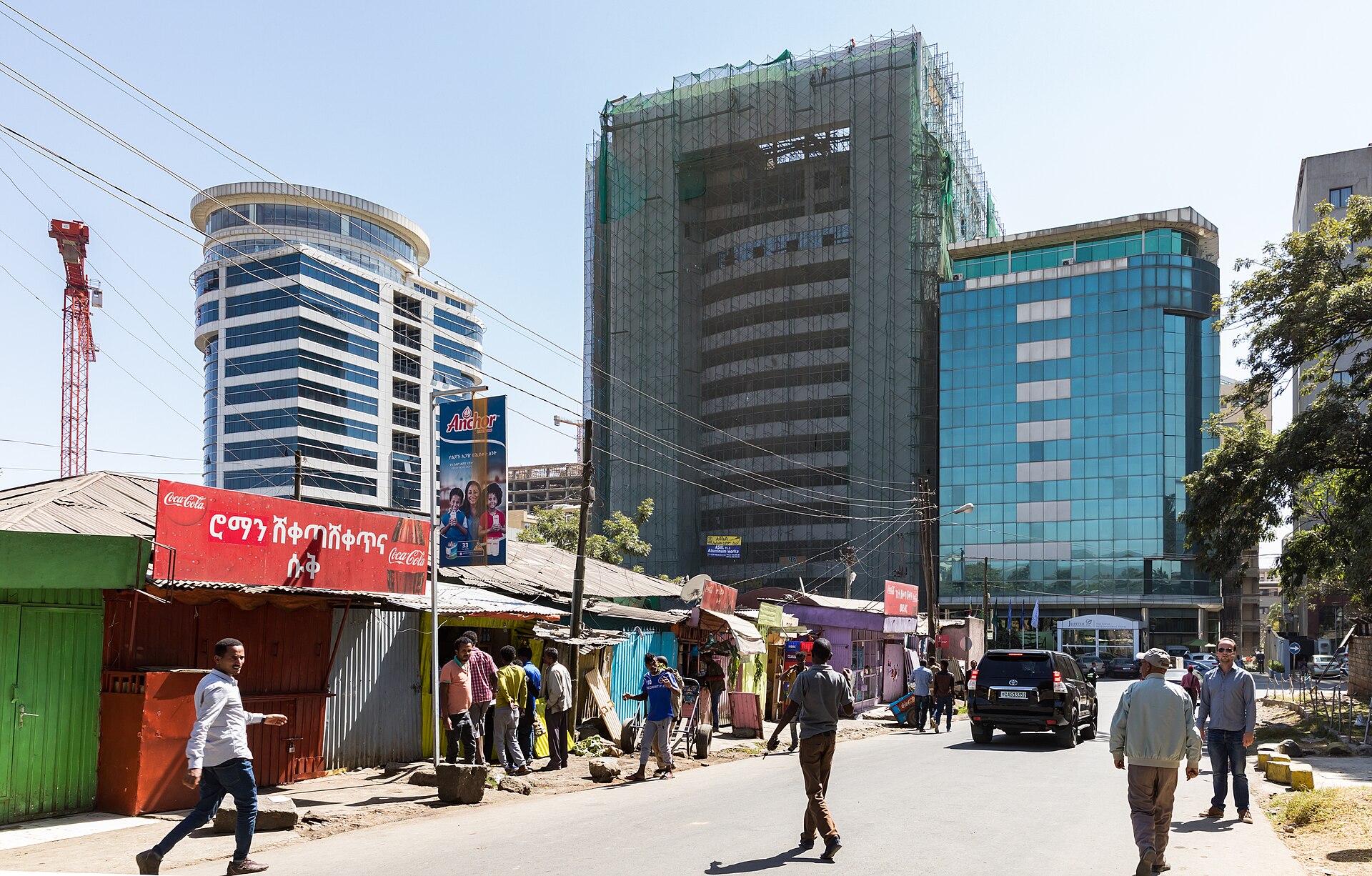
A NASA-funded network of 10 ground sensors in Addis Ababa tracked black carbon and PM2.5 pollution from 2022 to 2025, revealing daily and seasonal spikes tied to traffic, holidays, and household fuel burning. The measurements offer one of the most detailed long-term records of urban air quality in sub-Saharan Africa, where such data is scarce. Researchers found Addis Ababa’s three-year average PM2.5 concentration at 30 micrograms per cubic meter, over three times the U.S. EPA annual standard, with black carbon levels four to nine times higher than in monitored U.S. cities.
The study, published in ES&T: Air, coincides with Ethiopia’s 2024 ban on internal combustion vehicle imports and expansion of bike lanes and electric vehicle infrastructure. These policy steps aim to curb pollution as the capital’s population is projected to grow from nearly 6 million to over 10 million by 2050. The findings provide a critical baseline for evaluating the impact of ongoing air-quality initiatives in a rapidly expanding urban center.
NASA’s MAIA mission combines ground sensors with a space-based imager, scheduled for launch no earlier than late 2027, to map different types of PM2.5 aerosols by how they reflect light. The project is the first NASA mission to include public health researchers, who will analyze particle data alongside health outcomes to assess potential links between pollution types and disease. The approach is being tested in 12 global cities, including Los Angeles, Atlanta, and Boston, to improve air-quality monitoring and management worldwide.
Ethiopian coauthors highlighted Addis Ababa’s unique profile as a cosmopolitan hub where nighttime emissions from charcoal burning persist even after traffic subsides. The sensor network distinguished pollution from holiday bonfires and fossil fuel combustion, demonstrating how detailed measurements can pinpoint pollution sources. These insights support targeted interventions as the city grows, offering a model for other rapidly urbanizing regions facing similar air-quality challenges.