From Scan to Treatment Plan, AI Helps Close Breast Cancer’s Deadliest Gaps
AI-driven startups in NVIDIA’s Inception program are addressing gaps in breast cancer care by accelerating screening, risk assessment, and treatment planning using advanced imaging and analytics.
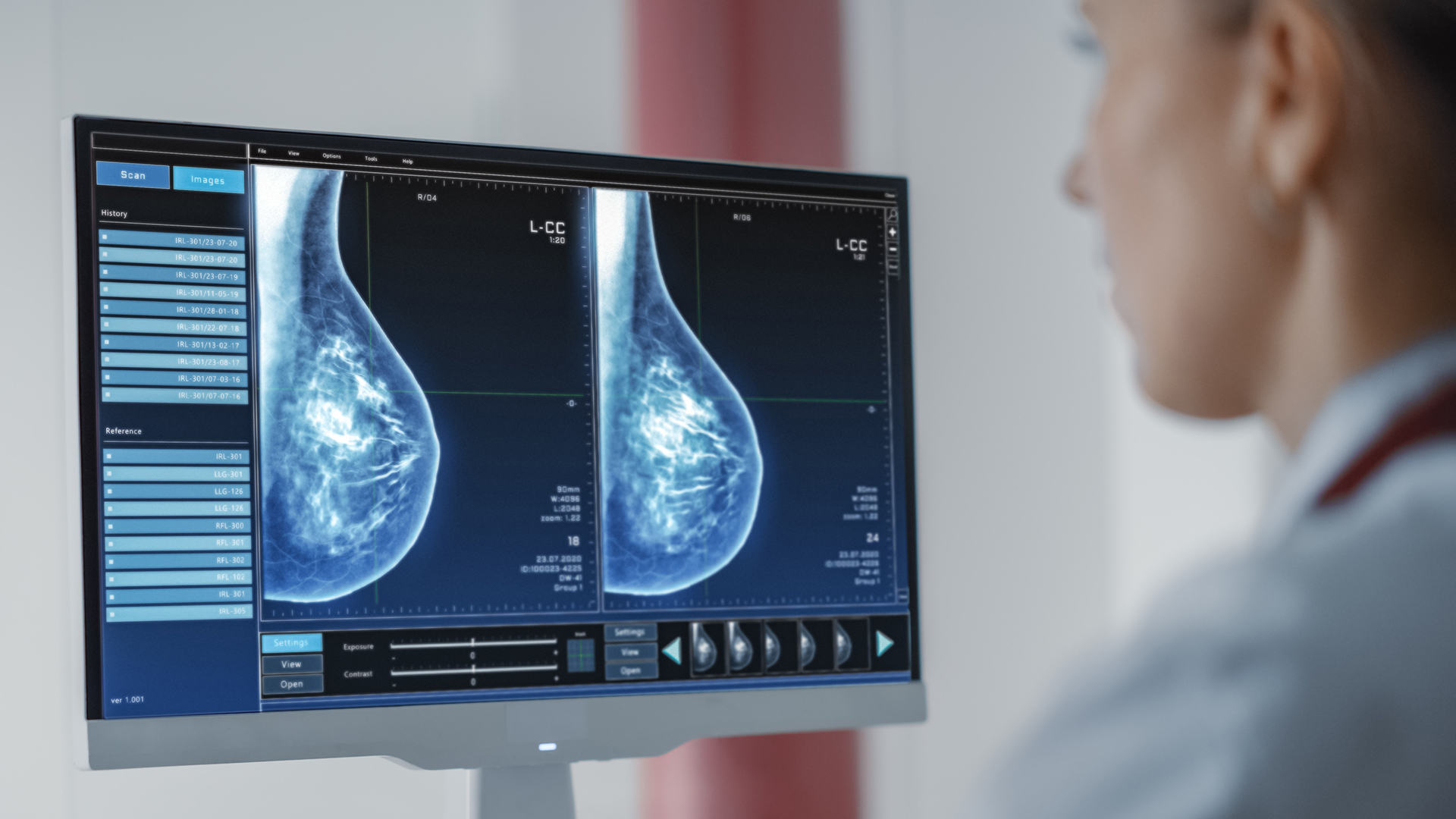
Breast cancer remains the most diagnosed cancer among American women, yet screening gaps persist due to limited access and radiologist shortages. AI startups in NVIDIA’s Inception program are developing tools to streamline imaging, risk assessment, and treatment planning, aiming to reduce delays and improve outcomes. The initiatives target critical friction points, from annual screenings to genomic testing and therapy decisions, where speed and accuracy are vital.
iSono Health’s FDA-cleared ATUSA platform uses a wearable 3D ultrasound system to capture standardized breast scans in about two minutes per breast, compared to up to 45 minutes for conventional handheld ultrasounds. Its AI, trained on over 1.5 million ultrasound frames, automates image acquisition and claims 28% higher sensitivity than handheld 2D ultrasound. The system is commercially available in multiple U.S. states and is undergoing a multicenter clinical study with 3,200 patients at UC Davis and Vanderbilt University Medical Center.
Whiterabbit.ai’s FDA-cleared WRDensity software assesses breast density from mammograms and has been used in the care of hundreds of thousands of patients. The company’s WRRisk software estimates long-term breast cancer risk, while its next-generation AI aims to automate screening of negative mammograms to reduce radiologist workload and avoidable callbacks. Training occurs on NVIDIA GPUs at Washington University in St. Louis and in the cloud, with inference deployed in clinics.
Ataraxis AI’s models predict treatment response and recurrence risk using digital pathology slides and clinical data, validated across over 10 institutions and multiple trials. One model forecasts presurgical chemotherapy effectiveness, while another estimates five-year recurrence risk and chemotherapy benefits post-surgery. The models run on NVIDIA GPUs across on-premises, offsite, and cloud environments, using PyTorch accelerated by NVIDIA CUDA.