Beneath a Steel Sky review (1994)
PC Gamer revisits the 1994 point-and-click adventure *Beneath a Steel Sky*, a dystopian sci-fi title co-developed with artist Dave Gibbons, praised for its narrative and art despite tonal inconsistencies.
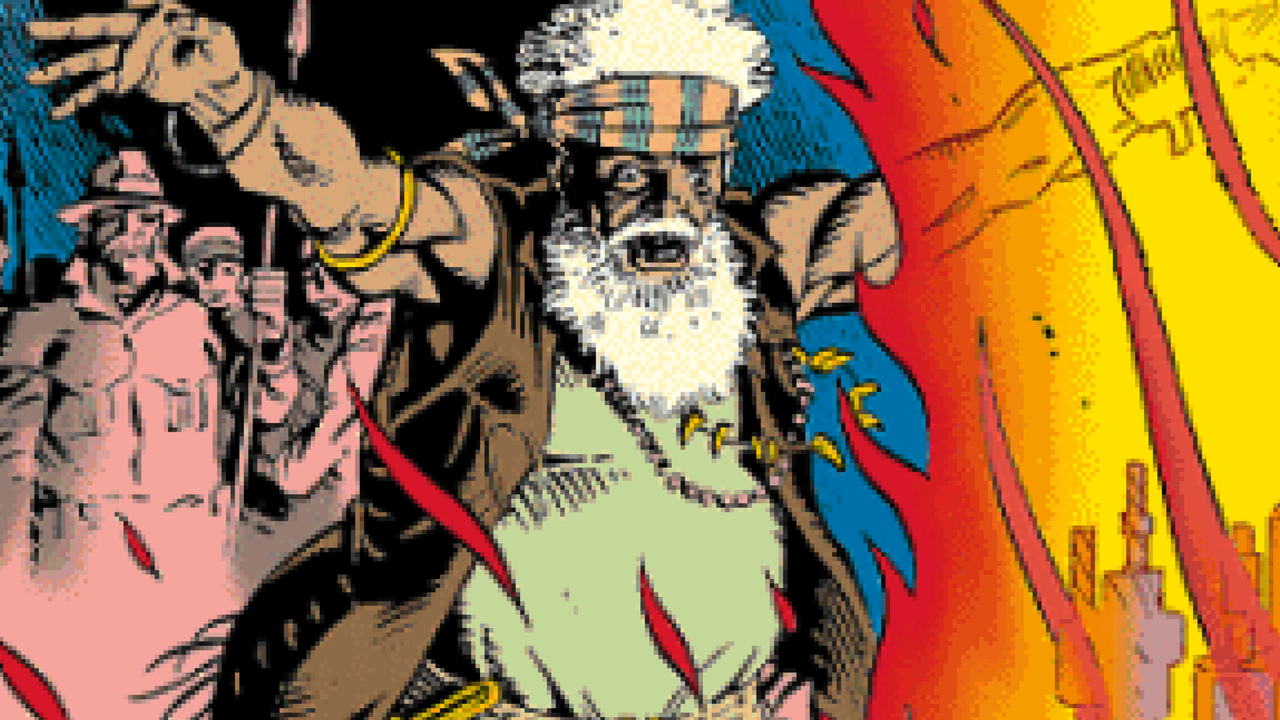
Beneath a Steel Sky, released in 1994, is a point-and-click adventure developed by Revolution Software in collaboration with artist Dave Gibbons, known for his work on *Watchmen*. The game’s dystopian setting, inspired by Philip K. Dick and William Gibson, depicts a collapsed world where corporations control society, forcing the poor into towering cities and the wealthy underground. The story follows Robert Foster, a man kidnapped and stranded in the city’s upper levels, tasked with uncovering a conspiracy while navigating a labyrinth of puzzles and characters.
The game’s visual design, particularly Gibbons’ artwork, remains one of its standout features, offering a convincing and immersive dystopian aesthetic. However, the on-screen characters and tone often undermine the intended atmosphere, with music and presentation failing to match the dark, oppressive mood. Despite these flaws, the narrative’s depth and the protagonist’s robotic companion, Joey, add layers to the experience, making it a compelling if uneven adventure.
Critics noted that Beneath a Steel Sky lacked humor, a common trait in successful graphic adventures of the era, which may have limited its appeal. The game’s structure relies heavily on puzzle-solving, with players using inventory items in creative ways to progress. While the plot unfolds gradually, the lack of immediate context or clear objectives at the outset adds to the mystery, though it may frustrate some players accustomed to more straightforward storytelling.
The original review, published in PC Gamer’s debut issue in December 1993, highlighted the game’s ambitious scope, featuring around 100 locations and a complex narrative. Though not groundbreaking in mechanics, its richly plotted story and well-designed characters earned it praise from adventure game enthusiasts. A sequel, *Beyond a Steel Sky*, was later crowdfunded and released in 2020, though it adopted 3D graphics, diverging from the original’s distinctive art style.