'VisionQuest' Just Officially Fixed a Huge Problem With MCU Canon
The Marvel Cinematic Universe finally features adamantium in a main-timeline story as Paladin uses adamantium bullets against Vision in *VisionQuest*, seven years after Disney acquired Fox.
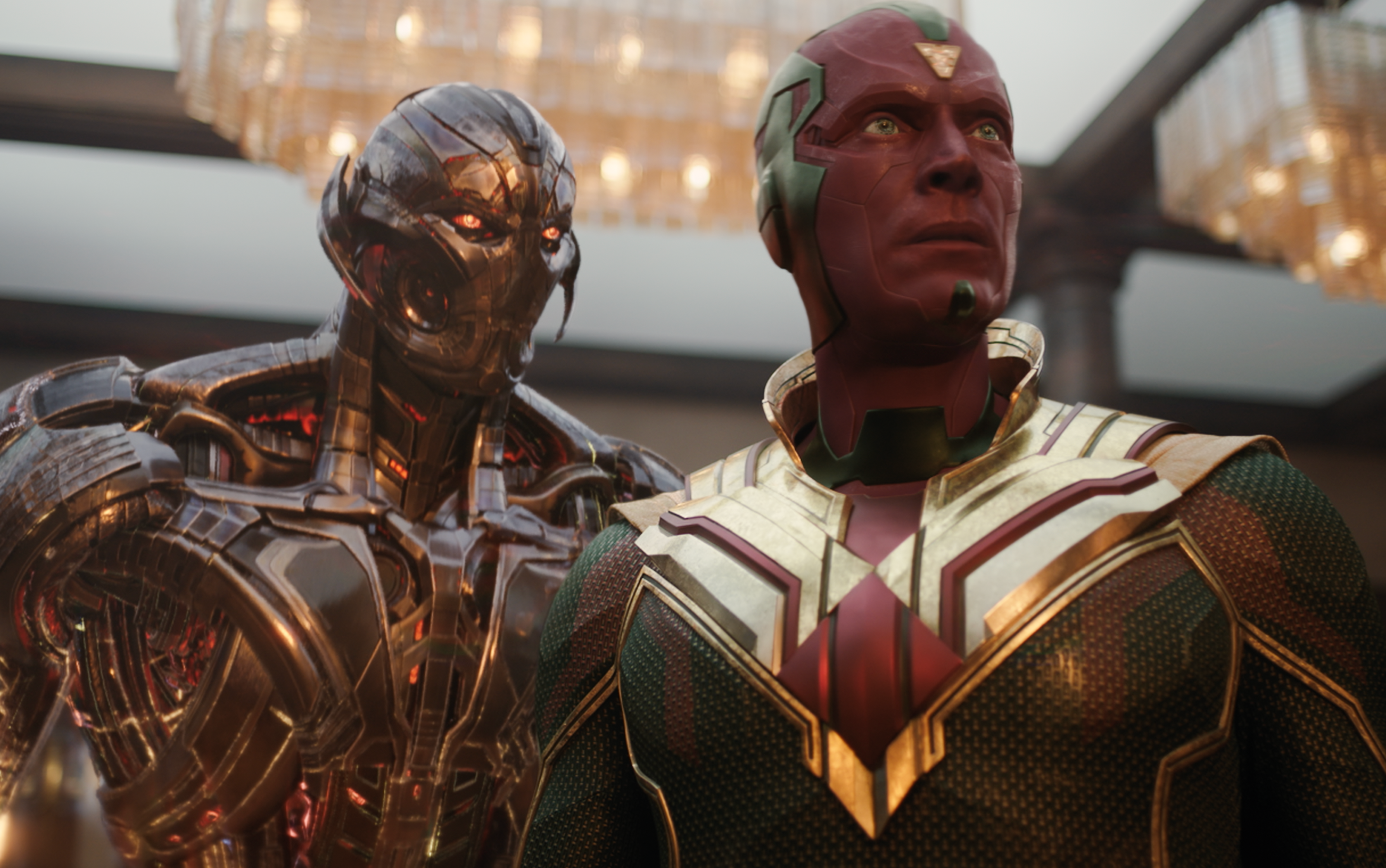
The second episode of *VisionQuest*, released October 13 on Disney+, shows assassin Paladin using adamantium bullets to wound Vision, marking the first practical use of the metal in the MCU’s main timeline. This follows Disney’s 2019 acquisition of Fox, which previously controlled adamantium’s cinematic rights due to its ties to Wolverine. The bullets visibly damage Vision’s vibranium form, something standard ammunition cannot achieve, underscoring adamantium’s destructive potential in the MCU.
Adamantium’s comic-book history predates Wolverine, first appearing in *Avengers* #66 (1969) as the material forming Ultron’s outer shell, created by Roy Thomas and Barry Windsor-Smith. Vision was originally intended as Ultron’s final MCU form, making Paladin’s use of adamantium against him a thematic callback. The metal’s MCU debut occurred earlier in *Captain America: Brave New World*, where President Ross describes it as a discovery on Celestial Island, though its role in that film remains minimal.
Celestial Island, revealed in *Eternals* (2021) as the corpse of Tiamut the Communicator, became a site for resource extraction after the Celestial’s defeat. Ross calls adamantium a “discovery of the millennium,” claiming it is even more indestructible than vibranium, though its only on-screen appearance in *Brave New World* involves a stolen sample recovered by Sam Wilson. The film’s extensive reshoots left adamantium’s role ambiguous, with no definitive evidence of its use by SERPENT.
While *Deadpool & Wolverine* features adamantium in the multiverse, its primary timeline impact is limited to Deadpool’s brief visit to Universe 616. Paladin’s adamantium bullets in *VisionQuest* thus represent the first confirmed, consequential use of the metal in the MCU’s main continuity, fulfilling a long-delayed narrative possibility.