Ships and seafarers increasingly caught in the crossfire of unrelated wars
The UN warns of an unprecedented surge in maritime threats across four critical regions, endangering global trade and food security as ships become geopolitical leverage.
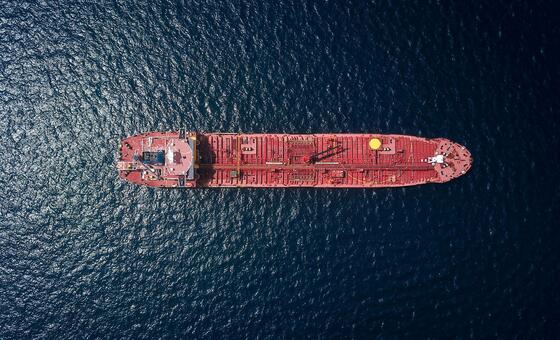
The global shipping industry faces an unprecedented convergence of maritime crises, with vessels and seafarers increasingly caught in conflicts unrelated to their operations. Four regions—the Strait of Hormuz, the Red Sea, waters off Somalia, and the Black Sea—are now active theaters of danger simultaneously, a scale the industry has not previously encountered. Vessels and crews are trapped or attacked as collateral damage in disputes they are not part of, according to the UN’s International Maritime Organization (IMO).
The crisis in the Strait of Hormuz has impacted 2,000 vessels and 20,000 seafarers, while Houthi attacks in the Red Sea and a surge in piracy off Somalia further escalate risks. In the Black Sea, parties to the conflict are using drones to target oil tankers and grain vessels, disrupting critical exports. The IMO reports that naval focus on other crises has left smaller bulk carriers vulnerable to Somali pirates, who exploit the reduced presence.
Somalia is advancing new anti-piracy legislation to address a legal gap in prosecuting captured pirates, even when naval forces are present. The IMO is also tackling substandard ships through measures like fraudulent registries, adding to the systemic risks faced by the industry. Verifying information remains difficult due to disinformation from warring parties, complicating efforts to assess the full scale of attacks and casualties.
The disruptions threaten global food and energy security, with the Strait of Hormuz carrying 20% of the world’s oil and the Black Sea critical for grain and fertilizer exports. Shipping costs are rising due to rerouting and added security, compounding inflationary pressures. The IMO warns that the seafaring workforce itself is at risk as casualties rise, with seafarers unprepared for geopolitically driven threats.