The Mediterranean’s own odyssey: An ecological treasure feels the strain
The Mediterranean Sea, a vital ecological and economic hub, faces growing threats from pollution, warming waters, and biodiversity loss despite its global significance.
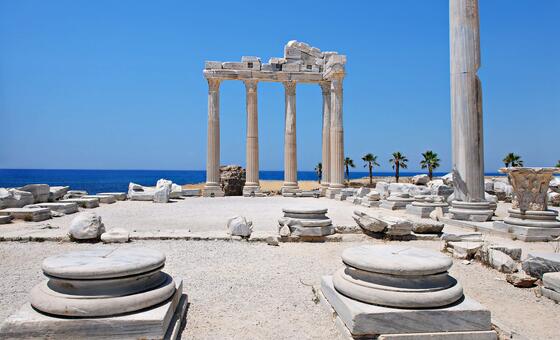
The Mediterranean Sea, spanning just 1% of the world’s ocean surface, supports up to 18% of all known marine species, with 25% of these found nowhere else. Its coastal ecosystems, including underwater seagrass meadows and wetlands, provide habitats, sequester carbon, and protect communities from erosion and storms. The region’s 46,000-kilometre coastline is home to over 500 million people and supports major industries like shipping, fishing, and tourism, underscoring its ecological and economic importance.
The sea faces severe pressures, including 730 tonnes of plastic waste entering daily, wastewater, industrial chemicals, and agricultural runoff. Rising temperatures, sea-level rise, and ocean acidification exacerbate threats like droughts, wildfires, and flooding. Biodiversity is declining due to pollution, construction, and invasive species, disrupting food webs and coastal protection. These challenges often reinforce each other, compounding the strain on the Mediterranean’s ecosystems.
The Mediterranean Action Plan (MAP) of the UN Environment Programme (UNEP), established in 1975, coordinates regional efforts to address these threats. The Barcelona Convention, adopted in 1976, serves as the primary legal framework, with seven protocols targeting pollution, biodiversity, and coastal development. Through MAP and the convention, 21 Mediterranean countries and the EU collaborate to implement rules, monitor the sea’s health, and translate commitments into national action.
Key initiatives include the Regional Plan on Marine Litter, adopted in 2013 and updated in 2021, which commits parties to reduce and remove marine litter while promoting circular economy approaches. UNEP programme coordinator Tatjana Hema stated the goal is a healthy, thriving sea capable of sustainably supporting the region’s people and industries. The MAP provides a structured path forward, akin to Odysseus’s journey, to restore and protect the Mediterranean’s ecological and economic vitality.