10 things you need to know before building your first video game
Unity outlines 10 essential considerations for first-time game developers, emphasizing core gameplay, scope, visuals, and player feedback to avoid common pitfalls.
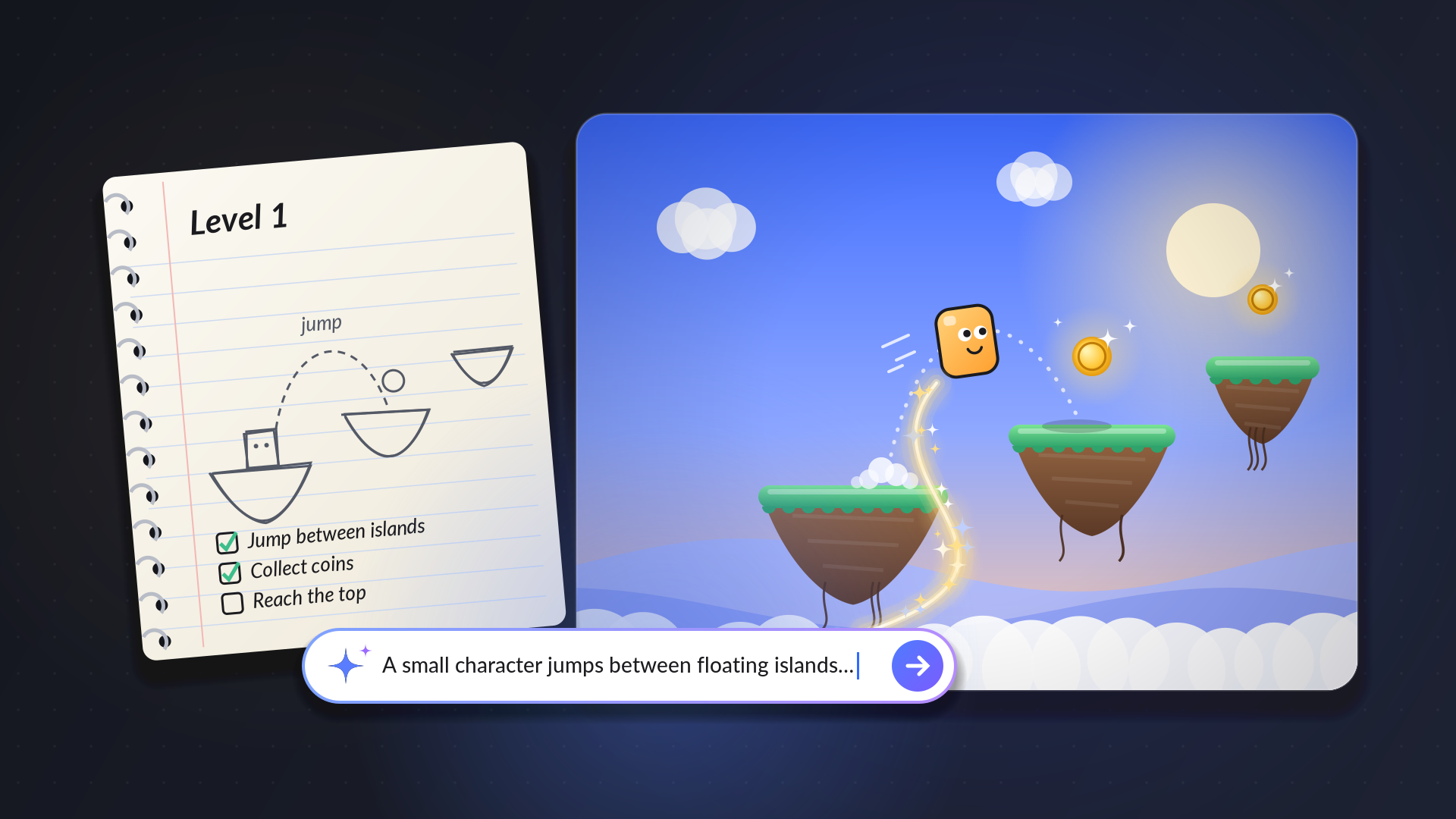
A video game’s core loop—challenge, action, and reward—must be fun before adding levels or characters. Piling on polish can mask an unengaging loop, so test whether the game is enjoyable early. Describe the player’s primary action in one sentence to clarify the loop’s effectiveness and focus development on what matters most.
Choosing a genre sets player expectations for controls, mechanics, and visuals. Platformers, for example, rely on jumping and uneven terrain, while other genres demand different inputs. Identify one element to change or simplify to stand out without confusing players. Scope should be ruthlessly limited to ensure completion, using quick prototypes to test ideas before committing to full production.
Visual consistency and mood matter more than a specific art style. Start with concept art to define the desired player emotion, then maintain cohesion in palette and design. Camera choice—first-person, top-down, or isometric—affects controls, level design, and immersion. Field of view also shapes mood, with narrower views creating tension and wider ones offering clarity.
Controls must respond within 100 milliseconds to avoid frustration, and feedback like sound or visual cues enhances satisfaction. Accessibility should be planned early, including control remapping and alternatives to button mashing. Test with diverse players to identify usability issues and refine difficulty settings to keep challenges fair and engaging.