Start with a feeling: How to define your first video game
Game designers are advised to begin with the emotional experience they want players to feel, using that as the foundation for all design choices, including mechanics and aesthetics.
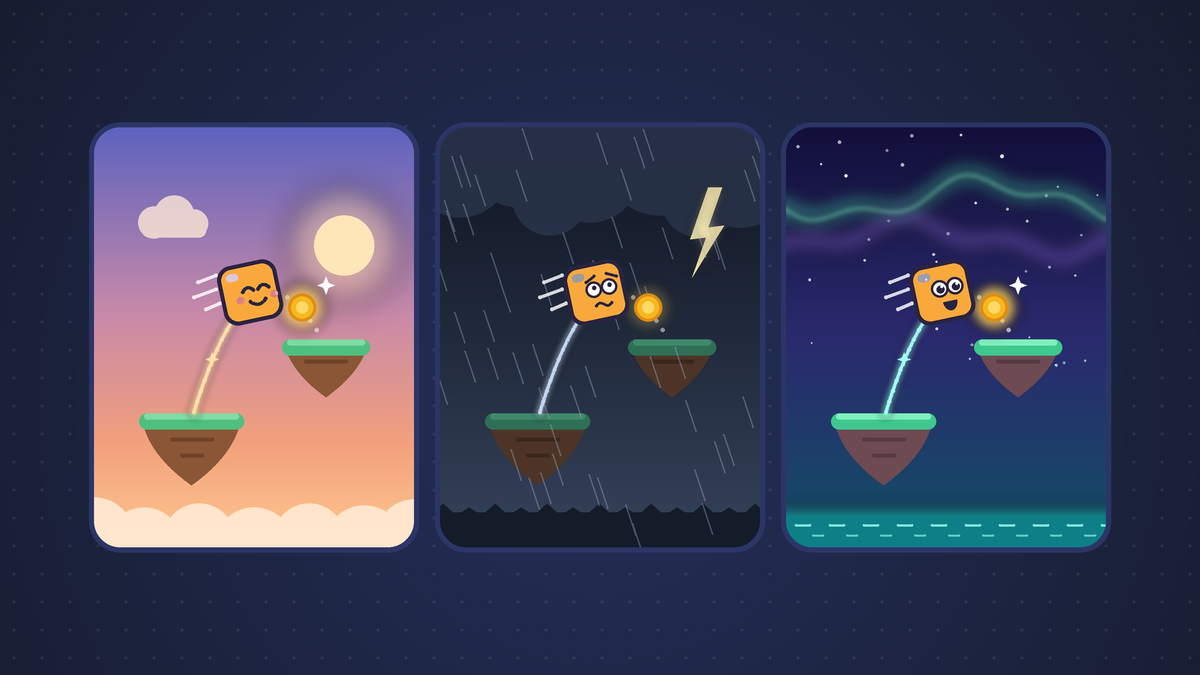
A new game should start with the feeling you want players to experience, not a list of features. Whether using traditional tools or AI assistance, the core emotional goal guides every subsequent decision about art, pacing, and mechanics. Experienced designers prioritize player experience as the primary metric, ensuring all design elements serve that central purpose.
Feature lists often lead beginners astray, as they don’t clarify which elements truly matter. Experts like Justin Gary emphasize that player experience is the most important metric, with all other design choices serving that goal. An AI tool can only execute as well as the clarity of the description provided, making a precise emotional direction essential for meaningful results.
Breaking down enjoyment into distinct emotional experiences—such as mastery, surprise, or social connection—helps refine the core idea. Research from Quantic Foundry, based on surveys of nearly two million gamers, identifies 12 motivations for play, suggesting that focusing on one or two key feelings strengthens a game’s design.
Defining a game’s core experience involves pairing a feeling with a role the player assumes. Narrative designer Greg Buchanan describes this as the player’s fantasy of what they are doing, not who they are. Indie team Saltstone Studios used pillars like 'Every Decision Has a Face' to shape their first game, The Pale Beyond, ensuring every design choice aligned with their core emotional goal.