How bosses and enemies decide what to do in video games
Game developers use structured rules and sensory cues to make enemy AI in video games feel responsive and fair, from simple guards to multi-phase bosses.
Enemy AI in video games operates through predefined rules rather than advanced artificial intelligence, governing how characters move, detect players, and react. Developers organize enemy behavior into states such as patrolling, investigating, or attacking, with transitions triggered by specific conditions. This method allows enemies to appear reactive even when their actions are scripted ahead of time, creating predictable yet engaging gameplay loops.
Enemies rely on simplified senses like vision cones and hearing ranges to detect players, often using layered awareness states such as unaware, suspicious, or spotted. Visual and audio cues, such as meters filling up or voice lines, signal escalating awareness, giving players time to respond. Designers prioritize player perception over realism, adjusting enemy detection ranges to avoid frustrating moments where players feel unfairly targeted.
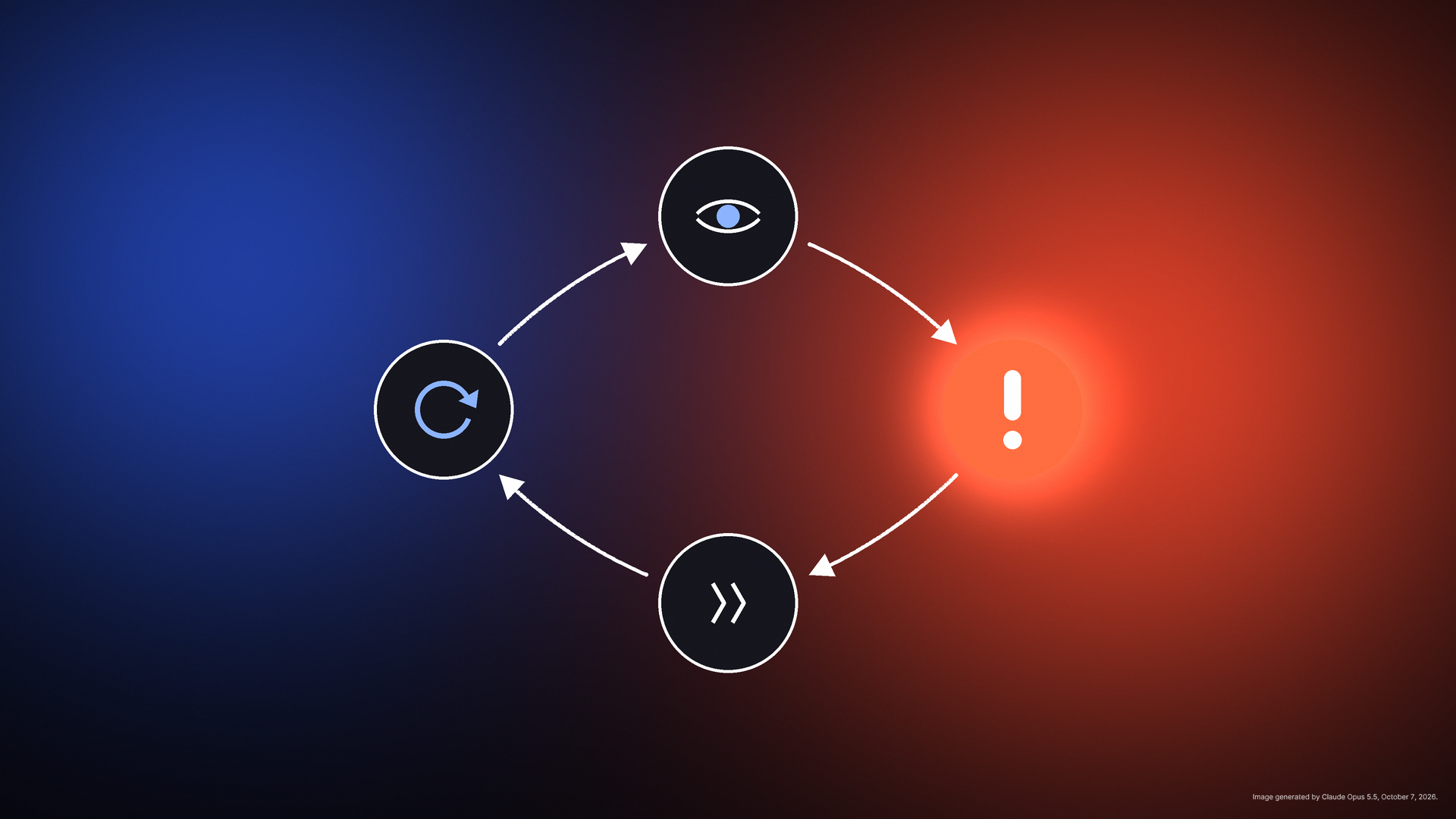
Telegraphed attacks provide players with clear warnings before an enemy strikes, using visual, audio, or animation cues like wind-up motions or glowing indicators. These cues ensure fairness by allowing players to react, with consistent signals reinforcing predictable gameplay. The technique balances challenge and accessibility, as repeated exposure to the same cues helps players improve their responses over time.
Boss fights follow a structured narrative arc, combining skill testing with a story-like progression from introduction to escalation and resolution. Developers design bosses in phases, where players first learn attack patterns before facing new variations under increased intensity. The approach ensures bosses feel dynamic while maintaining clarity, avoiding mechanics that obscure the fight’s readability or fairness.