Call of Duty: Modern Warfare 4 – Inside the Maps and Movement of Multiplayer
Infinity Ward details the design of *Call of Duty: Modern Warfare 4*’s multiplayer maps, emphasizing South Korean settings, clearer sightlines, and new traversal mechanics introduced during the beta weekend.
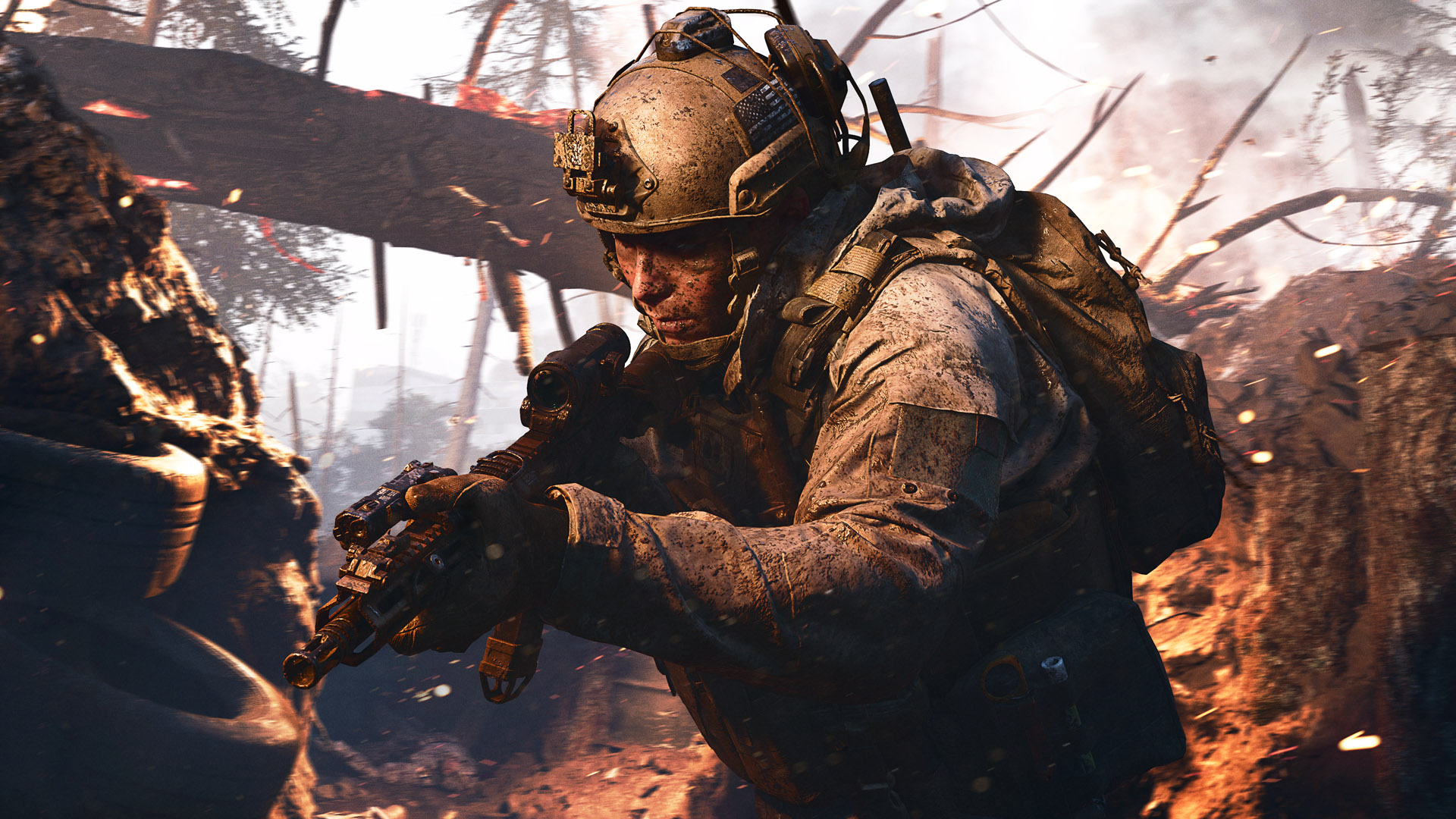
Infinity Ward has outlined the development of *Call of Duty: Modern Warfare 4*’s multiplayer maps, highlighting South Korean locations as a central theme. Studio Multiplayer Creative Director Geoff Smith, Technical Designer Jack Hoppus, and Art Director Sergio Gill discussed the team’s goal to blend photorealistic environments with competitive gameplay. The maps Silkworm and Lotus served as foundational designs, informing the larger Hajin map for *Warzone* and providing artistic direction for environmental storytelling.
The art team prioritized photorealism, using photogrammetry to capture accurate landmarks while ensuring these elements did not disrupt competitive play. Smith noted that each map includes narrative context, such as the reason teams are present, to enhance immersion without compromising gameplay. The team aimed for variety in map design, comparing the collection to an album’s playlist, where each track offers a distinct experience. Modern Korean cultural influences, including K-pop, esports, and urban aesthetics, shaped the visual identity of the maps.
Research trips to South Korea helped the team capture authentic details, such as dynamic weather and crowd behaviors, which were adapted into the game’s environments. Adjustments were made to real-world elements to fit gameplay needs, such as widening doorways for smoother player movement. Smith acknowledged the artistic license required to balance realism with functional design, noting that early map layouts often required iterative changes to improve playability.
New traversal mechanics, including pipe climbs and supine slides, were introduced to enhance mobility and reduce cognitive load during matches. Hoppus described these features as opportunities to create fluid, interactive movement, with examples like the mantle slide in Silkworm allowing players to maintain gunfire while traversing obstacles. The team retrofitted existing environments to incorporate these mechanics, enriching map design and offering players new strategic options.