Crypto Payment Reconciliation: Matching On-Chain Payments to Your Accounting System
Crypto payment reconciliation can be streamlined by using dedicated addresses per customer or invoice and real-time payment notifications via API, addressing common challenges like attribution and network fees.
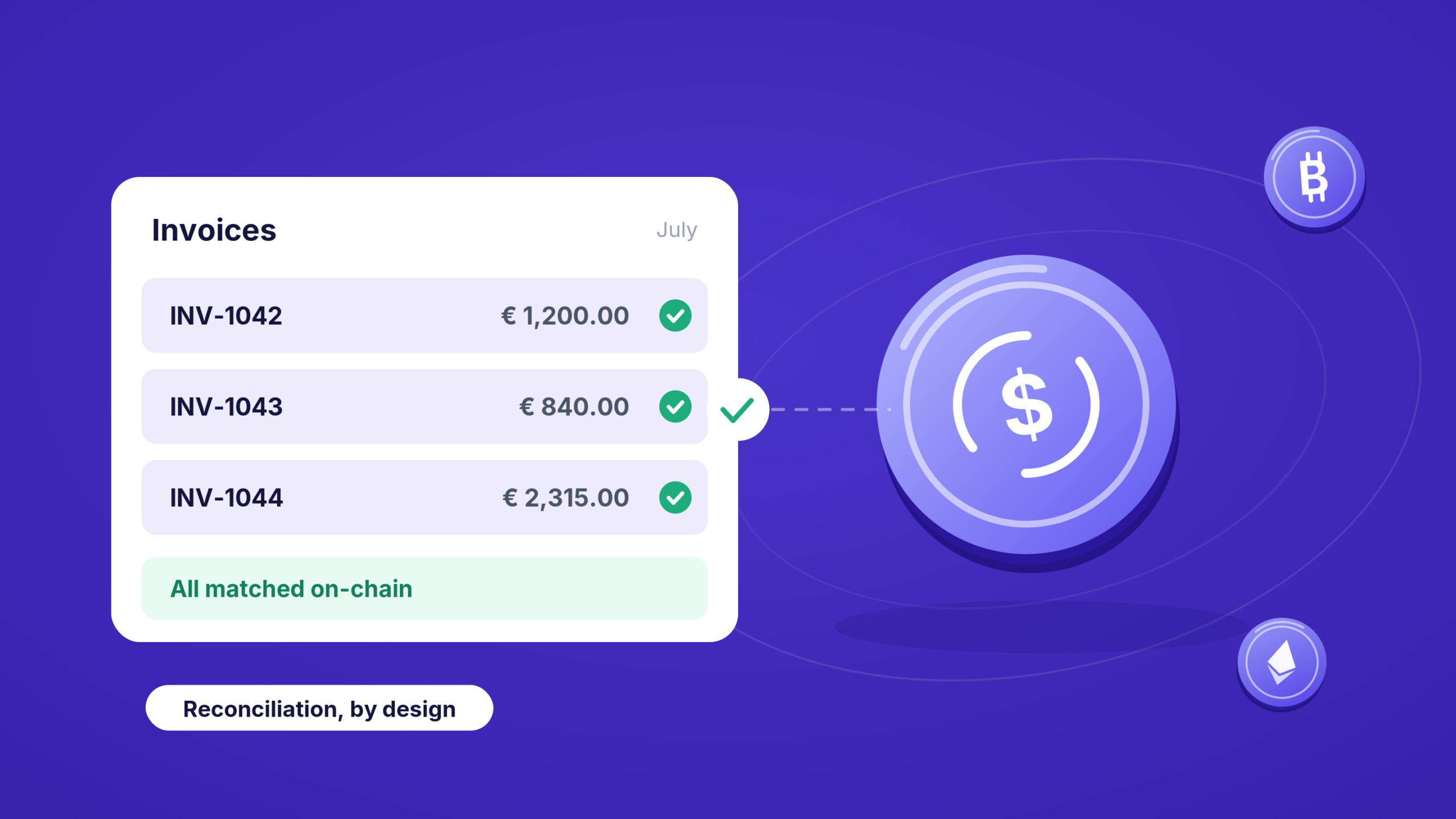
Reconciliation in crypto payments involves matching recorded invoices with on-chain transactions, a process that often fails due to attribution issues. Unlike traditional bank payments, blockchain transactions lack built-in context, making it difficult to link payments to specific customers. Businesses frequently face challenges such as underpayments, overpayments, and network fees that disrupt balance reconciliation. These issues are manageable but require proper setup rather than improvisation.
The primary source of reconciliation pain stems from address reuse, where multiple customers deposit funds into a single wallet. This approach forces manual untangling of payments at month-end. Instead, generating a dedicated address for each customer or invoice automates attribution. Each address becomes uniquely tied to a specific transaction, eliminating ambiguity about payment origins. CoinGate’s payment channels implement this pattern, assigning persistent addresses to clients.
Real-time payment tracking further simplifies reconciliation by reducing manual intervention. Payment APIs use webhooks to push transaction updates—such as pending, paid, or confirmed statuses—directly into accounting systems. This automation ensures invoices are closed automatically when payments settle, aligning recorded amounts with actual deposits. The process mirrors traditional bank reconciliation but leverages blockchain data.
Crypto payments also introduce valuation challenges, as the fiat value of transactions can fluctuate between invoice issuance and settlement. Providers that convert crypto to fiat at settlement fix the value immediately, removing the need for holding periods. For example, a 1,000 euro invoice settled as 1,000 euros simplifies accounting, ensuring the recorded and received amounts match without additional adjustments.