Proof of Reserves and Fund Safety: What to Ask a Crypto Payment Provider
A CoinGate blog post explains why businesses should prioritize regulated crypto payment providers over mere reserve proofs, highlighting the limits of snapshots and the value of enforceable oversight.
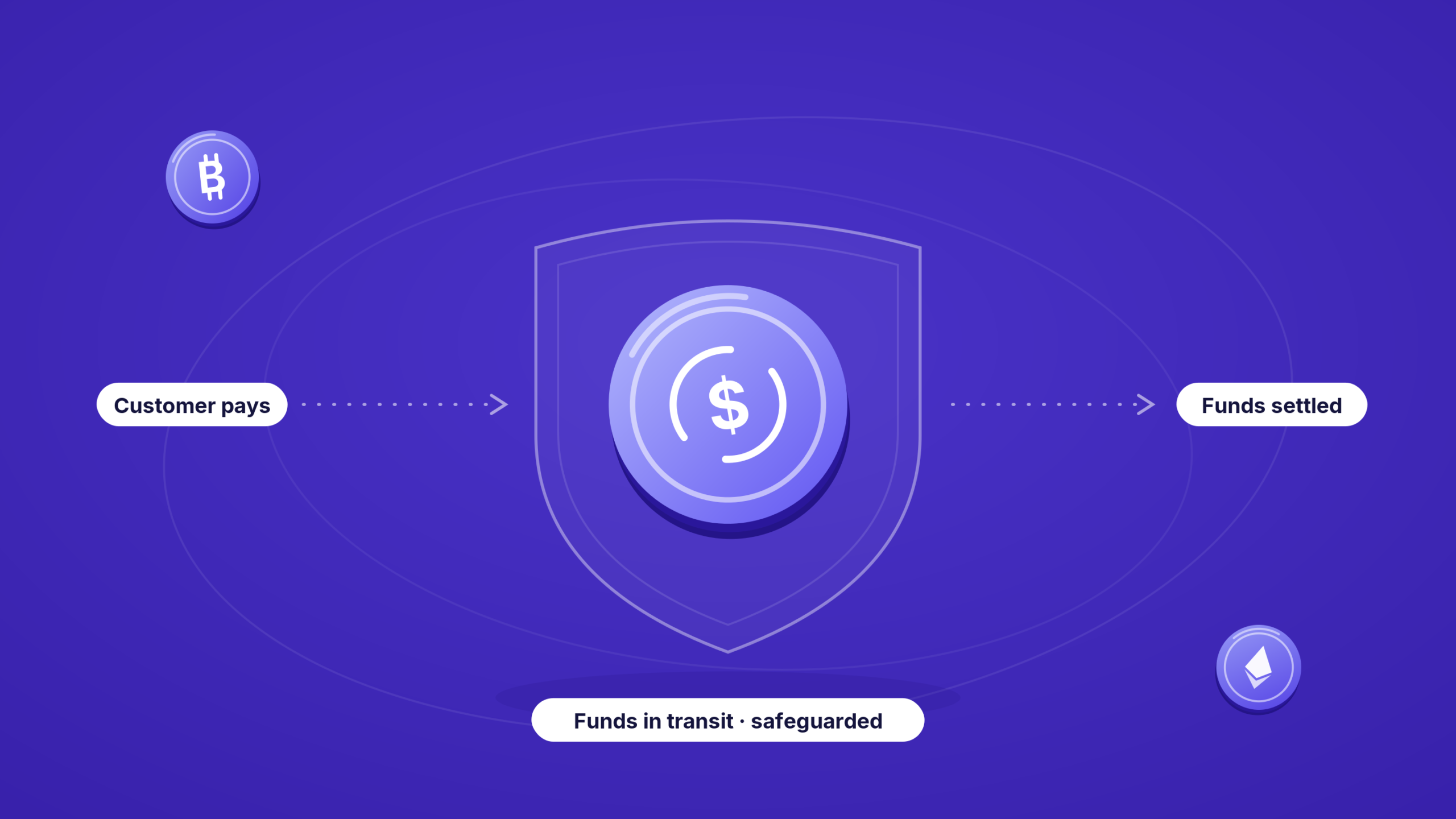
A payment provider temporarily holds customer funds between receipt and bank transfer, raising questions about safety. Proof of Reserves (PoR) is a cryptographic snapshot showing assets match liabilities at a single point in time, but it does not guarantee ongoing solvency or full liability disclosure. PoR is voluntary and does not replace regulation, leaving gaps in safeguarding and accountability that businesses should consider before choosing a provider.
Regulation provides stronger assurance than PoR alone. In the EU, the Markets in Crypto-Assets framework (MiCA) requires licensed providers to meet strict obligations for handling client assets, offering verifiable oversight that a snapshot cannot match. Businesses should prioritize providers subject to such regimes over those publishing reserve proofs without regulatory backing.
CoinGate operates as UAB Decentralized, authorized as a Crypto-Asset Service Provider under MiCA by the Bank of Lithuania (authorization code LB002323) and licensed as a Payment Institution (LB002324). These verifiable licenses impose enforceable safeguarding and reporting requirements, differentiating regulated providers from those relying solely on self-published reserve attestations.
Businesses should evaluate providers by asking who licenses them, how funds are handled in transit, what compliance measures apply to transactions, what records are provided, and what protections exist in case of failure. A verifiable license from a named regulator offers more reliable assurance than a reserve snapshot alone.