3D Printing: How Hyundai Motor and Kia Accelerate Product Development Through Additive Manufacturing
Hyundai Motor and Kia opened the Additive Manufacturing Solution Center (AMSC) to accelerate product development using 3D printing, enabling rapid prototyping and complex component production that traditional methods cannot achieve.
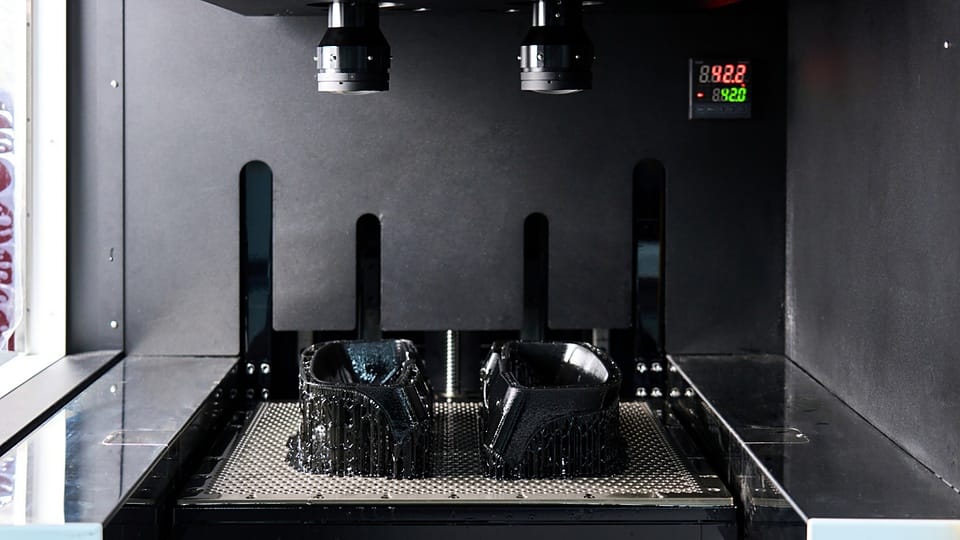
Hyundai Motor and Kia have established the Additive Manufacturing Solution Center (AMSC) at their Namyang R&D facility to overcome limitations of conventional manufacturing. Engineers now use 3D printing to produce complex components directly from digital designs, reducing tooling needs and material waste while enabling designs optimized for weight and performance that were previously unachievable.
The AMSC operates multiple additive manufacturing technologies, including polymer-based processes like Digital Light Processing and Stereolithography for detailed prototypes, and metal-based systems such as Powder Bed Fusion and Directed Energy Deposition for structural components. These methods allow for rapid iteration, part consolidation, and lightweight geometries while maintaining production-grade precision and performance standards.
Applications of the AMSC’s technology span vehicle development, heritage restoration, and motorsports. Prototypes, jigs, and legacy parts are produced efficiently, while racing components benefit from customized lightweight designs. The center also demonstrates hybrid workflows, combining 3D printing with CNC machining to refine complex metal components for automotive use.
As Hyundai Motor Group’s additive manufacturing hub, the AMSC integrates design, production, and validation processes to support broader adoption across the company. The facility underscores the Group’s shift toward digital-first development, enhancing manufacturing competitiveness while preparing for the rise of software-defined vehicles.