NASA, SpaceX Advance Wind Tunnel Tests for Starship Rocket
NASA and SpaceX conducted wind tunnel tests on the Super Heavy Version 3 booster at Ames Research Center to analyze aerodynamic forces during re-entry for the Artemis III mission.
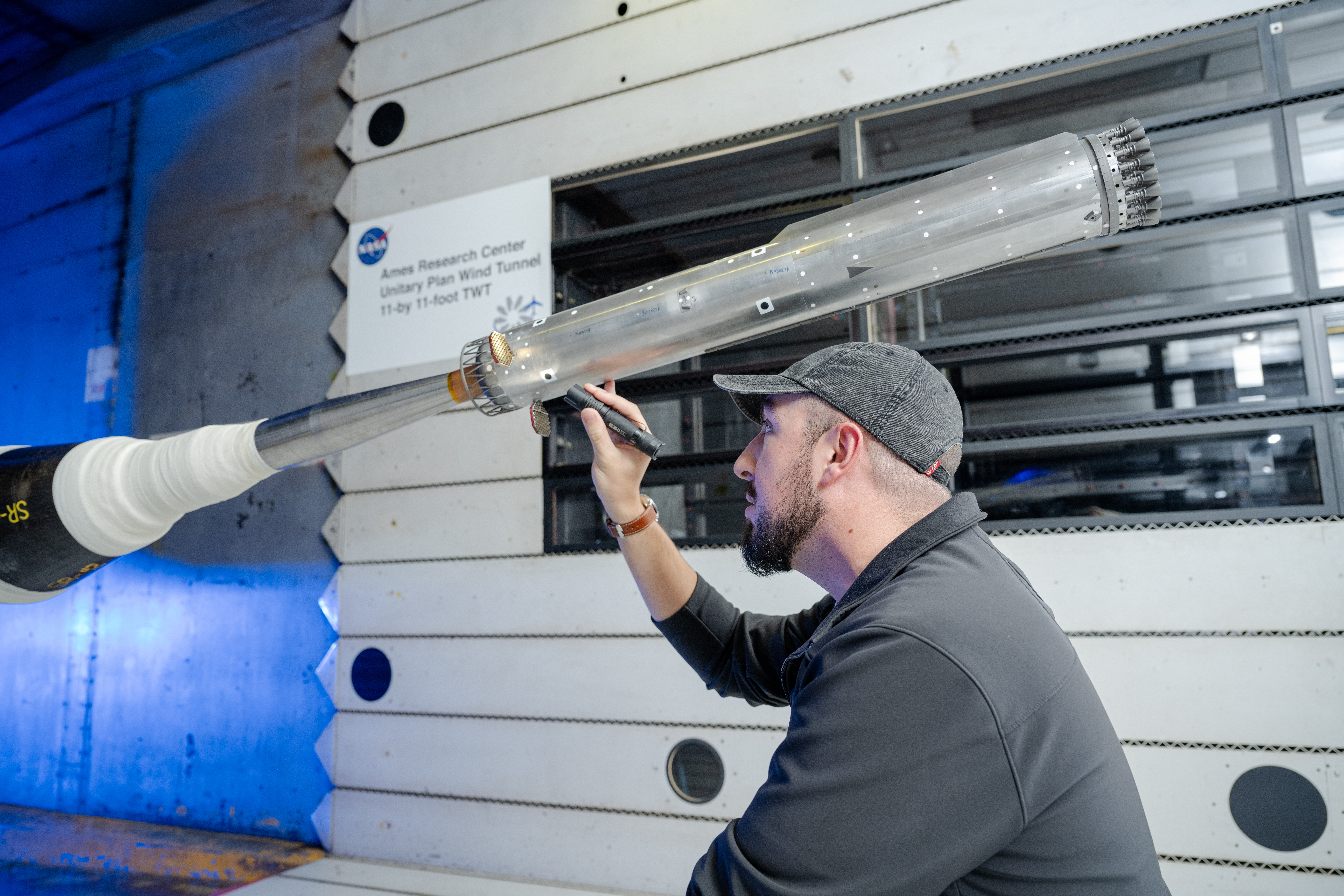
NASA and SpaceX are preparing for the Artemis III mission by completing wind tunnel tests on SpaceX’s Super Heavy Version 3 rocket booster at NASA’s Ames Research Center in California. The tests aim to better understand the aerodynamic forces the rocket may face during re-entry, building on prior 2024 testing. The Super Heavy booster is part of SpaceX’s Starship launch system, which will support the Starship Human Landing System (HLS) for lunar missions. Version 3 of Starship and Super Heavy is expected to serve as the basis for the Artemis III lunar landing in 2027 and a subsequent crewed mission in 2028.
The wind tunnel tests used a 1.2% scale model of the Super Heavy Version 3 in both transonic and supersonic tunnels at NASA Ames. The transonic tunnel tested speeds from Mach 0.2 to Mach 1.4, while the supersonic tunnel covered Mach 1.55 to Mach 2.5. Engineers measured steady and unsteady air flows to assess how the rocket will react during re-entry. The data will inform flight software guidance and structural load analysis for the mission.
NASA’s collaboration with SpaceX includes access to specialized testing facilities and technical expertise. Engineers from NASA’s Marshall Space Flight Center and Ames Research Center analyzed the results, leveraging experience from prior programs like the Space Shuttle and SLS rocket. The testing builds on lessons learned from similar wind tunnel work that contributed to modifications for the SLS in Artemis II.
The Artemis program aims to return humans to the Moon for scientific research, economic development, and to establish a sustainable presence. These tests are part of broader efforts to prepare for crewed lunar landings and future missions to Mars. NASA and SpaceX continue to refine the Starship HLS and its booster systems to meet mission requirements.