More health workers, stronger systems: Africa’s new ambitious goal
African health ministers adopted a 10-year plan to train, employ and retain three million additional health workers by 2035, addressing a projected shortage of over six million professionals amid current staffing gaps.
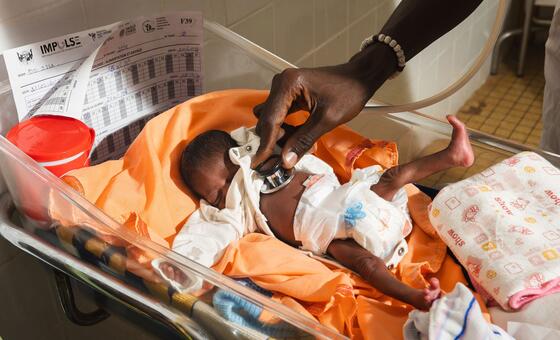
African countries face a projected shortage of more than six million health professionals by 2035, prompting the launch of a decade-long initiative to strengthen the continent’s health workforce. Adopted during the WHO Regional Committee for Africa’s 76th session in Addis Ababa, the Health Workforce Management Programme (2026–2035) aims to train, employ and retain three million additional workers to bolster health systems. The programme seeks to transform health-sector labour markets by aligning education with job creation and sustainable financing, addressing both shortages and underemployment of trained professionals.
Despite a 5.72 million-strong health workforce in 2024, Africa has only 46 per cent of the professionals needed to meet demand, leaving millions without access to essential services. The continent also grapples with high unemployment among trained health workers, particularly recent graduates, with over half unable to secure employment shortly after training. WHO emphasizes the need to improve workforce planning, expand training quality, and create job opportunities while retaining skilled professionals in underserved areas.
The new programme provides countries with a roadmap to address these challenges, including better labour-market alignment and long-term planning. WHO highlights the economic benefits of closing the workforce gap, estimating that every dollar invested in health workers could yield up to $10 in economic returns and 30 times that in broader social benefits, such as improved health and productivity.
Decisions on policies and priorities are being deliberated at the Addis Ababa meeting through 28 August, shaping the region’s health agenda. A newly endorsed regional strategy also prioritizes coordinated action across sectors to support children’s health and development, recognizing the critical role of parents, caregivers and communities in ensuring survival, growth and learning.