Mission Efficiency
Volkswagen unveiled the Mission Efficiency prototype, setting three world records for efficiency using near-production electric vehicle technology and standard components.
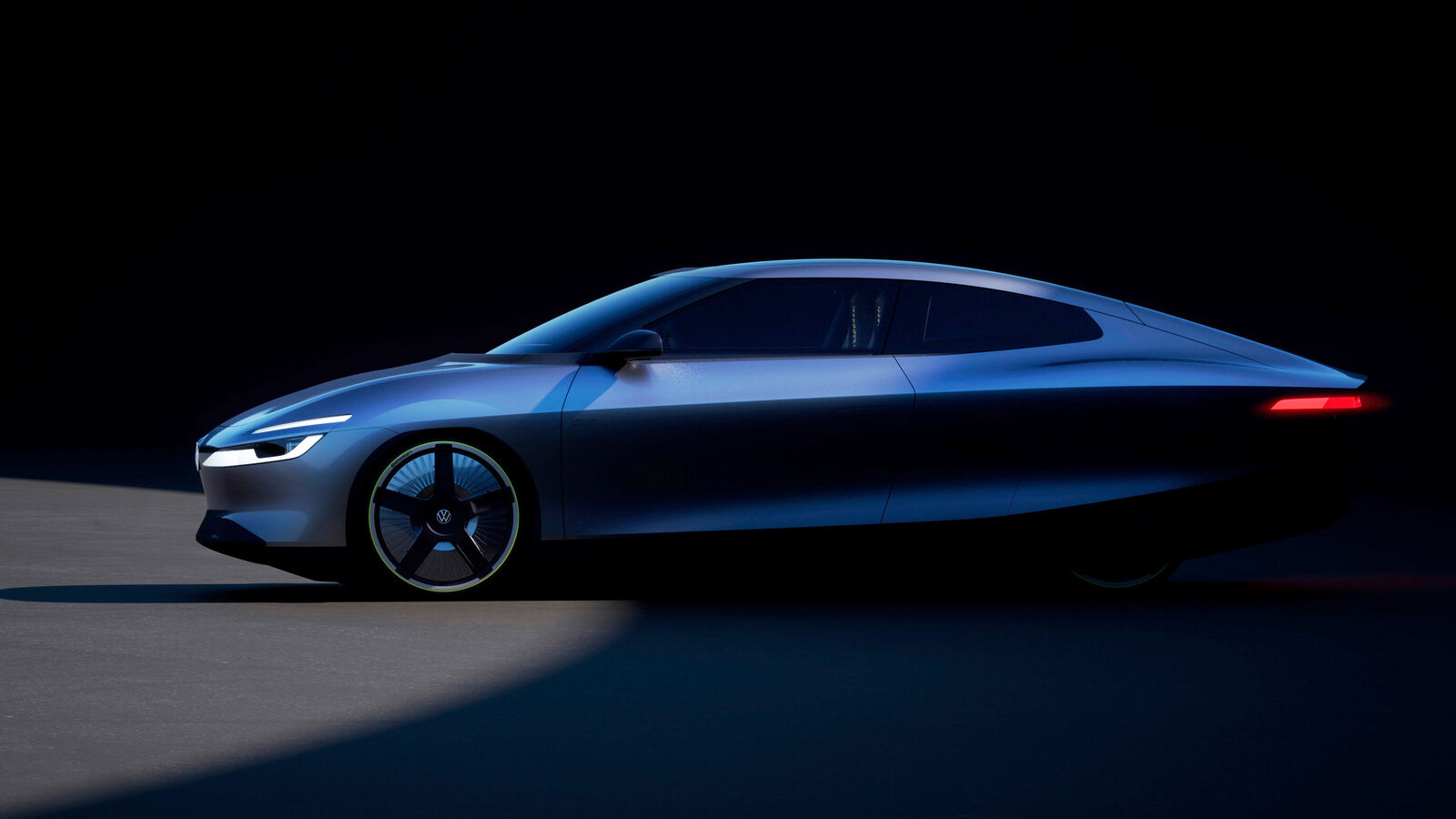
Volkswagen has presented the Mission Efficiency, a near-production electric car prototype that achieved three world records for efficiency. The vehicle recorded a drag coefficient of 0.158, the lowest for any road-approved car, demonstrating exceptional aerodynamics. It also set a consumption record of 6.48 kWh per 100 kilometres during an ideal trip with constant speed and no peripheral loads. The prototype further proved its efficiency by achieving 7.51 kWh per 100 kilometres in real-world testing over 1,278.36 kilometres, including charging losses.
The Mission Efficiency completed a documented test drive from Wolfsburg to Vienna via Poznań and Olmütz, averaging 67.72 km/h with a top speed of 138 km/h. The 54.9 kWh battery was charged only once, arriving in Vienna with 164 kilometres of remaining range. The vehicle uses standard production technology from the ID. Polo and ID. Cross, including a 99 kW electric motor and front-wheel drive based on the MEB+ platform.
Aerodynamic features such as a teardrop shape, clad underbody, active cooling flaps, and integrated door handles contributed to the vehicle’s record-breaking efficiency. The prototype’s body combines components from the ID. Polo with an aluminium structure and carbon fibre-reinforced polymer, reducing weight while maintaining strength. The interior includes lightweight panelling and a Bluetooth box, with frameless windows and integrated door handles to optimise airflow.
Advanced braking technology, including an electromechanical rear brake developed with AUMOVIO, improved recuperation and stability. The wheels and tyres were also optimised, with patented rim deflectors and a low-rolling-resistance tyre reducing aerodynamic drag by 25 per cent compared to EU class A standards. A 370 W photovoltaic system on the roof and boot lid further extended the vehicle’s range by up to 30 kilometres per day under optimal conditions.